DreamShots: AI image generation without betting the feature on one vendor
11 September 2026 · 3 min read
MamaPapa's DreamShots feature is built on a swappable generation backend, curated presets instead of open prompts, and automated anatomy checks before anything reaches a user.
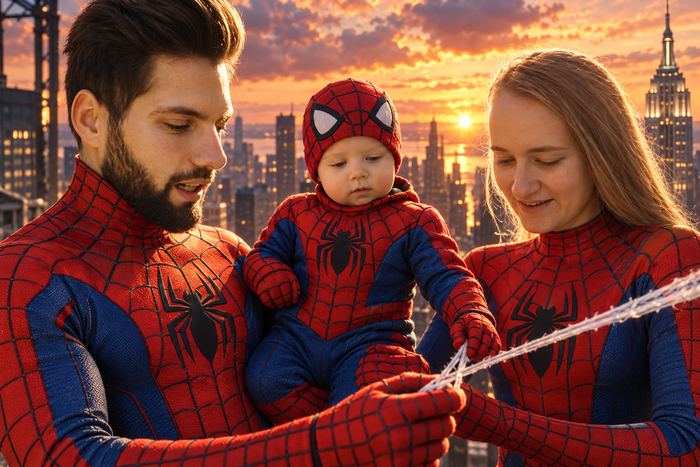
DreamShots lets a MamaPapa family turn a photo into a fun, stylized image using a curated set of presets and archetypes, rather than a free-text prompt box. That last detail is deliberate, and it shapes most of what's interesting about how the feature is built.

Presets instead of prompts
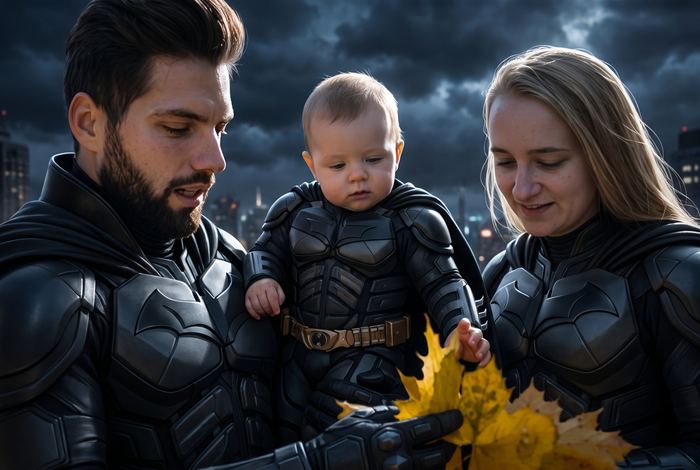
An open prompt field is the obvious way to build an AI image feature, and it's also the way most things go wrong on a family product: unpredictable output quality, results that don't match what a parent expected to happen to their kid's photo, and a much larger surface area for someone to type something the product shouldn't generate. DreamShots instead offers a fixed set of presets and archetypes, each one a known, tested transformation. Narrowing the input space is what makes the output space predictable enough to trust on a product where the person receiving the result didn't write the prompt themselves.
The generation backend is a component, not a foundation
Image generation is one of the fastest-moving parts of the current AI landscape. A model that's the best choice today is routinely superseded within months, and pricing, rate limits, and availability shift under products that depend on a single vendor. DreamShots was built with the generation backend behind an internal boundary specifically so it could be swapped, and it already has been: the feature currently runs on OpenAI's image generation model, having previously run on a different engine entirely. Because presets and archetypes are defined against MamaPapa's own internal representation rather than against one vendor's specific prompt format, changing engines is a matter of updating one integration, not rewriting every preset.
This mirrors a pattern already used elsewhere in MamaPapa's AI-generated storybook feature, which routes across multiple model providers with fallback behavior rather than depending on a single one. Treating "which model generates this" as a swappable implementation detail, not a foundational assumption baked into the product, is what lets the feature keep up as the underlying models change without a rewrite each time.
Catching bad anatomy before a user ever sees it
Generated images occasionally come back with visibly wrong anatomy, an extra finger, a malformed hand, the kind of artifact that's still common across current image-generation models. On a product aimed at families, a broken-looking result isn't just a quality miss, it undermines trust in the feature entirely. DreamShots runs an automated anatomy check on generated output before it's shown to anyone, and rejects or regenerates results that fail it, rather than relying on users to notice and report bad output after the fact.
Generation, not analysis
It's worth being explicit about what DreamShots is not: MamaPapa deliberately removed AI-based analysis of users' real family photos, no face recognition, no age detection, no scene tagging, treating that as a privacy line the product doesn't cross. DreamShots sits on the other side of that line. It generates a new, stylized image from a starting photo; it doesn't analyze, tag, or draw inferences from the family photos already in someone's account. That distinction, generation a family opts into for one photo at a time versus standing analysis running over an entire photo library, is the same one that shapes how the rest of MamaPapa's AI features are built. More on that approach is on MamaPapa's product page.

Have a system in mind?
We design and build custom systems end to end. Tell us about your idea and let's make it real.